Next Summer's School Builds: Get Strategic In the Fall
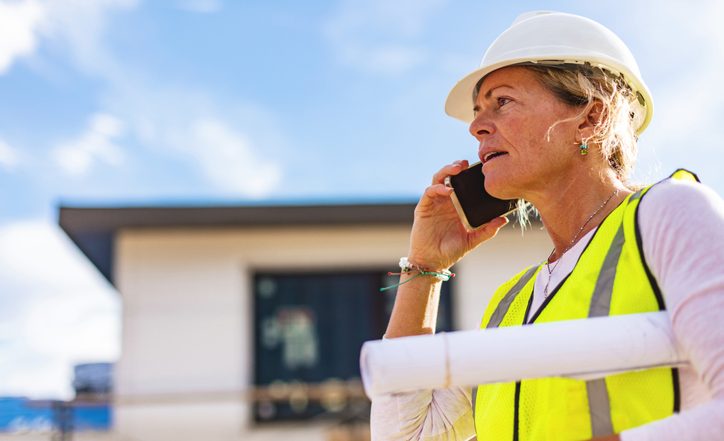
When most people think about school construction, they picture summer: empty hallways, busy crews, and a race to finish before the first bell. For contractors who want next summer’s work, though, November (think Election Day) is key: on ballots across the country, voters weigh in on funding for school construction, renovations and all kinds of repairs and upgrades. Read on for pointers on what you can do in the fall and winter to be ready for a busy and successful summer.
What Happens After Voters Say Yes
School districts often need voter approval to borrow money for construction, and each state sets its own rules for when those votes can happen. Rules and protocols differ by state, so check out Ballotpedia’s guide to voting on school bond and tax measures in your area. November isn’t the only school funding date, but it’s one of the biggest. If you want to know what’s coming in your market, follow the ballots.
A passed bond measure is the signal of a school construction project getting ready for take off. Once funding is approved, the district typically sells its bonds, finalizes an architect, and completes design. Projects planned for next summer often go out to bid in winter and early spring. Larger jobs, such as new buildings or additions, may roll out in phases over several years.
Public school work almost always comes with bonding requirements. Districts commonly require a bid bond with each bid, and state “Little Miller Act” laws generally require performance and payment bonds on public projects above set dollar thresholds. Contractors who wait until a bid is advertised to line up their surety may run out of time.
The Need Behind the Ballots
Why are so many school districts actively looking for funds to build? Because the needs are pressing and much of the funding is local. A Government Accountability Office report on school facilities found that an estimated 54 percent of public school districts need to update or replace multiple building systems or features. HVAC stood out: about 41 percent of districts need HVAC updates or replacements in at least half of their schools, which works out to roughly 36,000 school buildings nationwide. The same report found that in about half of districts, facility funding came mainly from local sources such as property taxes.
For contractors, outdated school facilities represent a steady demand for mechanical, electrical, plumbing, roofing, security, and general construction, much of it funded by the measures on this fall’s local ballots.
How to Position Your Construction Business Ahead of Bid Time
Track the measures. Find out which school funding questions are on your local ballots and read the project lists that come with them. Districts often publish detailed plans and timelines to win voter support. Ballotpedia also maintains a directory of state and local sources for school bond election information.
Follow the school board. After Election Day, board meetings (and their public minutes) show when architects are hired, when designs are approved, and when bids will be released.
Prepare your financials before year-end. Surety underwriters rely heavily on year-end statements. Work closely with your CPA so that you will have a strong close. Follow this guidance to better understand what surety underwriters are looking for.
Update your work-in-progress schedule. A clean, current WIP report is often the fastest way to support a request for more bonding capacity.
Plan for long lead times. HVAC units, switchgear, and specialty equipment can take months to arrive. Talk with suppliers early so your bids reflect real delivery dates.
Good To Know: The School Construction Year
Summer: Buildings are empty, so this is when most actual school construction work happens. Schedules are tight, and the start of the school year is a hard deadline.
When summer runs long: Late materials, labor shortages, or inspection backlogs can push work past opening day. Districts may allow phased occupancy, and crews often move to nights and weekends. Workers may need background checks and badges. Liquidated damages may apply, so talk with your surety early if a job is slipping.
Fall and winter: Interior work continues after hours and during breaks such as Thanksgiving and winter vacation. Outdoor work like roofing and paving has to beat the first hard freeze, and cold-weather concrete needs extra planning.
Winter and spring: Newly funded projects go out to bid, and contracts are awarded for the coming summer.
Get Bond-Ready with Colonial Surety Company
Next summer’s school contracts are being decided at the ballot box this fall. Colonial Surety Company can get ready for your most successful bids ever.
We have programs for builders of every size.
If you are newer to bonds, get started with our Hometown Bonding Program. Through this credit-based program, we enable qualified contractors to obtain bid and performance bonds as needed, without a traditional surety line of credit.
Working your way up? Get armed with single and aggregate bonding limits, in writing, and even issue your own instant Bid Bonds, via The Partnership Account® for Contractors. Then you’ll really be ready for the up and coming public projects in your community.
Once qualified, get a surety line of credit for up to 20 million single, and 40 million aggregate. Receive free financial scores just for completing our easy pre-qual.
Get ready for much more action. Start here, now:
Bonding Programs at Colonial Surety Company
In business since 1930, Colonial Surety Company is a leading direct seller and writer of surety bonds and insurance products across the USA. Colonial Surety Company is rated “A Excellent” by A.M. Best Company and U.S. Treasury listed.